


martihildebran
About martihildebran
5 Tips For Land Success

 In markets where new construction has been active, prices have pulled back. Phoenix, Austin, and parts of Florida saw corrections of ten to fifteen percent from peak levels in some submarkets. But those are the exceptions. Most markets are not working from excess; they are working from scarcity.
 Ilse is a name you might hear from a lot of agents right now, because the buyers getting deals done tend to know exactly what they want and why. That is not a personality trait. It is a preparation habit.
Before you look at a single listing, get your pre-approval locked down. Not a rough estimate. Not a verbal confirmation from a loan officer you met once. A full pre-approval based on verified income, tax returns, bank statements, and a hard credit pull. In this market, a seller who receives an offer without that documentation will not take it seriously.
 If the report surfaces significant deferred maintenance or structural issues, you have three options, not one, and walking away is a legitimate one of them. You can walk away if the scope of the problems makes the agreed price no longer reasonable. Signing off on a failing roof or a bad HVAC system is not the same house you made an offer on.
Negotiation works best when it is quiet and well-prepared. Before you make an offer, find out whether the price has been reduced and by how much. A listing with a history of two failed deals in the past month is a fundamentally different negotiation than a property that is drawing multiple showings every day.
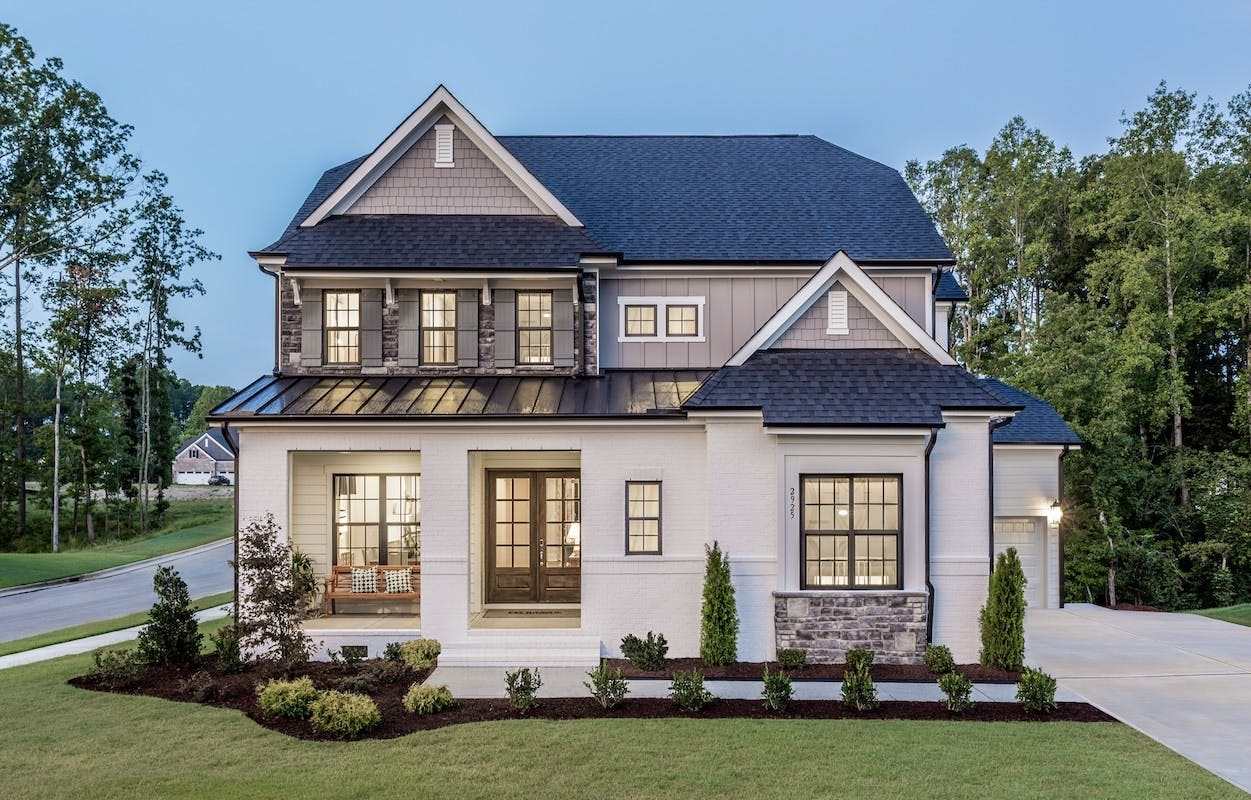 The timing question, whether to buy now or wait for a better moment, is the one that trips up more buyers than any other single factor. Waiting for the perfect moment is how people end up renting for another five years when they did not mean to. The more useful question is not whether now is the right time in the abstract; it is whether the home works for your actual life for the next five to seven years.
Buyers who take the time to research properly tend to find that there are still good properties available at realistic prices. Spending twenty minutes with current homes for sale and market analytics is a better use of your time than waiting for conditions that may never arrive.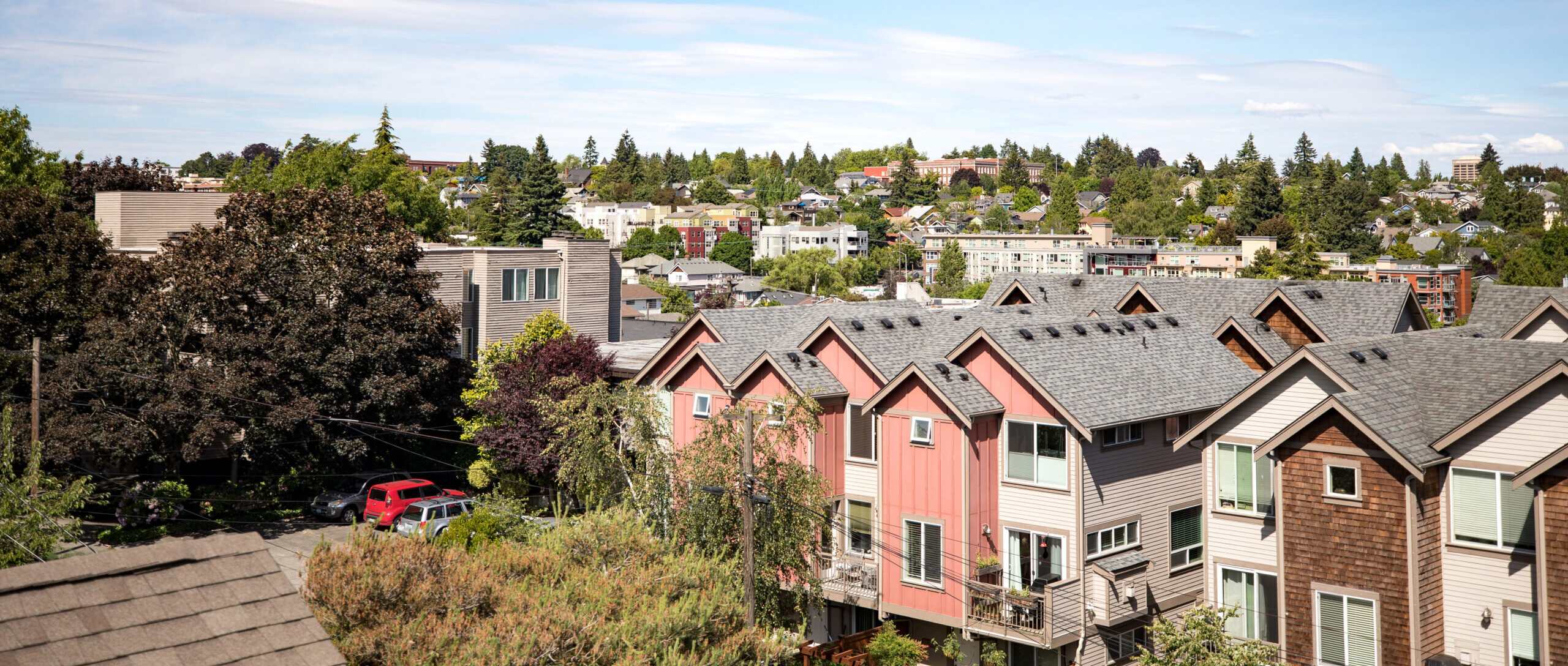
No listing found.